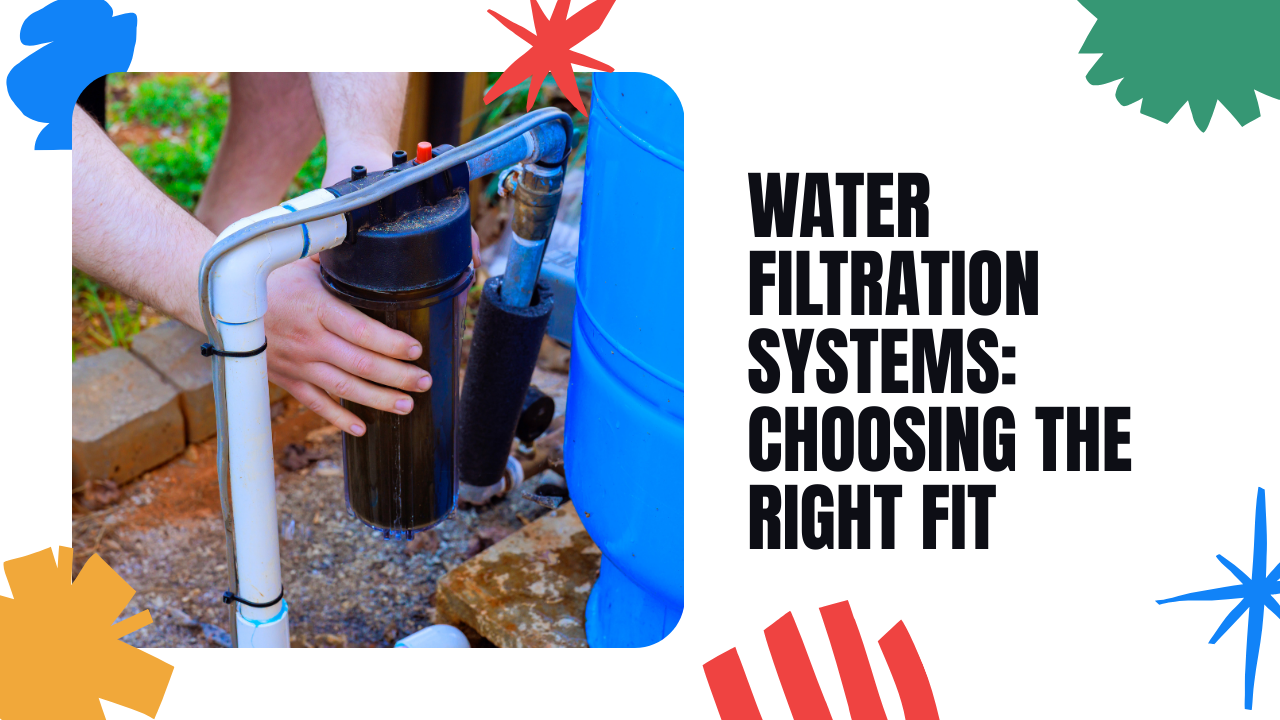
Have you ever poured a glass of tap water and wondered, “Is this really as clean as it should be?” While Australia has some of the safest drinking water in the world, many homeowners still invest in water filtration systems for peace of mind, taste, and health. Whether it’s cutting chlorine, reducing heavy metals, or just giving your family fresher-tasting water, the right system can make all the difference.
But here’s the big question: Which water filter is the right fit for your home and lifestyle? Let’s break it down step by step.
Why Water Filtration Systems Matter for Australian Homes
Even though Australian tap water is treated and safe under national guidelines, that doesn’t mean it’s always perfect.
Is Australian tap water always safe?
In major cities, tap water often meets strict quality standards. But in regional areas, older plumbing and occasional contamination can affect water clarity and taste. For example, residents in parts of rural NSW have reported sediment and discolouration after heavy rainfall.
Health and lifestyle benefits of filtered water
Filtered water goes beyond “safe”—it’s about quality. A good system can:
-
Improve taste by removing chlorine and odours
-
Reduce potential contaminants like lead, copper, or pesticides
-
Provide peace of mind for families with young children
-
Protect appliances like kettles and coffee machines from scale buildup
When does a filtration system become essential?
-
If your area has hard water
-
If your family is sensitive to chlorine or chemicals
-
If you entertain often and want fresher-tasting water
-
If you simply want to add long-term value to your home
Types of Water Filtration Systems Explained
Not all filters are created equal. Choosing the right one depends on your water quality, space, and budget.
Whole house water filtration – clean water everywhere
This option filters water at the point it enters your home. Every tap, shower, and appliance gets treated water.
-
Best for: families with kids, homeowners worried about skin sensitivity, or anyone wanting a full-home upgrade
-
Pros: consistent water quality, protects pipes/appliances, hassle-free
-
Cons: higher upfront cost, requires professional installation
Under sink water filter – compact and convenient
Installed directly under your kitchen sink, these are popular in Aussie households.
-
Best for: busy professionals who just want clean drinking water at the kitchen tap
-
Pros: affordable, easy to access, invisible setup
-
Cons: only filters one tap, cartridges need regular replacement
Reverse osmosis systems – advanced clean water solution
RO systems push water through a fine membrane to remove almost everything, including dissolved salts.
-
Best for: households wanting the purest drinking water
-
Pros: excellent filtration, great taste, removes up to 99% of contaminants
-
Cons: slower output, wastes some water, more expensive
Portable water filters – simple and flexible
These can be jugs, countertop units, or portable systems.
-
Best for: renters, students, or anyone on a tight budget
-
Pros: no installation, low cost, mobile
-
Cons: smaller capacity, less powerful filtration
How to Choose the Best Water Filtration System in Australia
So, how do you decide which one is best for your home?
Key factors to consider
-
Water quality: Do you notice chlorine taste, sediment, or staining? A simple water test can help.
-
Budget: Whole house systems can cost thousands, while under sink filters start from a few hundred.
-
Family size: Bigger families may need higher flow systems or whole house coverage.
Comparing maintenance needs and filter lifespan
-
Under sink filters: cartridges replaced every 6–12 months
-
RO systems: membranes last 2–3 years but require pre-filters
-
Whole house systems: filters typically changed annually
Matching systems to your lifestyle
-
Busy professionals (like marketing managers): under sink or RO systems – easy to maintain, reliable
-
Families with kids: whole house systems – protects everyone, including in showers and baths
-
Entertainers: under sink with a dedicated tap – ensures guests enjoy fresh, clean water
Costs of Water Filtration Systems in Australia
Let’s talk numbers—because no one wants bill shock.
Upfront costs vs ongoing maintenance
-
Portable jugs/units: $50–$150
-
Under sink filters: $200–$600, plus $60–$120 yearly cartridge replacements
-
Reverse osmosis systems: $500–$1,500, with $150–$300 annual maintenance
-
Whole house filtration: $1,500–$5,000+, with annual servicing
DIY installation vs professional help
-
DIY: Some under sink kits and portable units are plug-and-play. Perfect for confident DIYers.
-
Pro install: Whole house and reverse osmosis often need licensed plumbers to meet compliance.
Long-term value for home and health
Yes, it’s an investment. But think beyond the upfront price:
-
Fresher-tasting water means less bottled water costs
-
Longer-lasting appliances save repair/replacement money
-
Health benefits add peace of mind
DIY or Hire a Professional? Making the Right Call
Many Australians love a good DIY challenge. But water systems aren’t always straightforward.
When is DIY installation realistic?
-
Portable filters or benchtop units
-
Simple under sink systems with clear instructions
-
If you’re comfortable with basic plumbing
Benefits of hiring a licensed installer
-
Ensures compliance with Australian plumbing codes
-
Professional advice on filter size and type
-
Avoids leaks and water damage risks
-
Saves time and effort for busy homeowners
Mistakes to avoid when setting up a system
-
Using the wrong fittings for your pipes
-
Forgetting to flush new filters before first use
-
Over-tightening connections, leading to cracks and leaks
Common Mistakes to Avoid When Choosing a System
Even with the best intentions, many homeowners get it wrong.
-
Picking the wrong filter size: Low-capacity filters struggle in bigger households
-
Ignoring replacement schedules: Old filters lose efficiency and can even grow bacteria
-
Not testing local water quality: Different regions in Australia have different needs
-
Focusing only on price: Cheap upfront often means higher long-term costs
Final Thoughts: Which Water Filtration System is Right for You?
Choosing the right water filtration system doesn’t have to be overwhelming. If you just want clean drinking water, start with an under sink or RO system. If you want whole-home coverage, a larger setup will serve you better.
For homeowners like you—balancing work, family, and budget—the right system should give you fresh, safe, and great-tasting water without the hassle. Whether you DIY or hire a pro, the outcome is the same: peace of mind and better living.